My Avatar
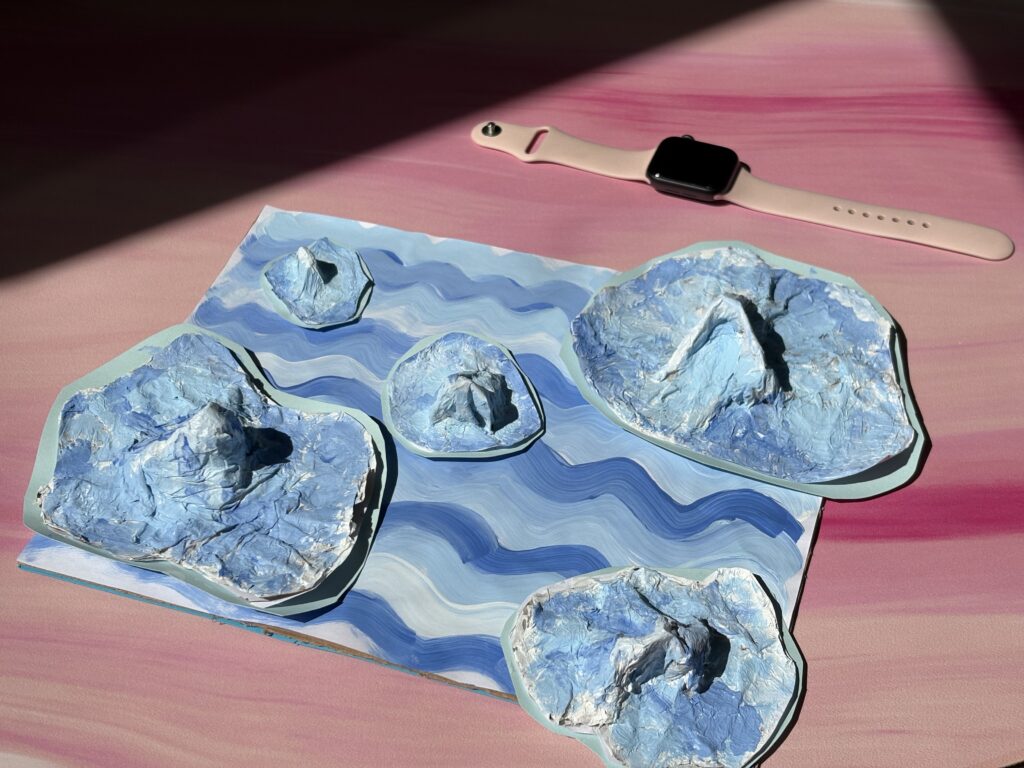
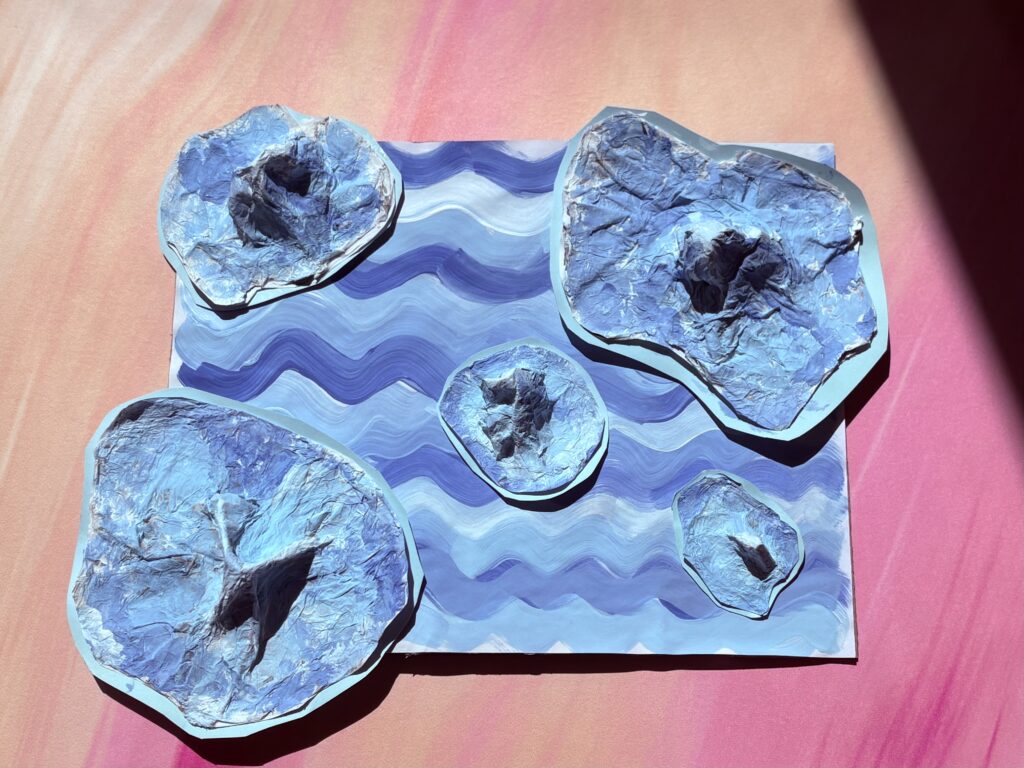
Pics from more angle
all pics are here~(first one with apple watch)
Updated Avatar Statement
My keyword is intercultural, which I define as the set of processes through which people from different cultural backgrounds interpret one another, negotiate shared meaning, and adjust their communicative behaviors. As I move further into my research on intercultural competence, I see “intercultural” not only as a description of contact but also as a capacity.
The avatar I selected serves as a symbolic illustration rather than a definition of the term. The image echoes the cultural iceberg framework, where visible behaviors form only a small part of what constitutes culture. The submerged sections of the icebergs evoke the deeper layers of values, norms, and worldviews that often shape interaction more strongly than what is immediately observable. Their arrangement, distinct yet neighboring, suggests that intercultural encounters occur between entities that maintain their own integrity while still influencing and responding to one another.
What makes this avatar effective is its capacity to visually highlight one of the central challenges addressed in intercultural competence: understanding that the most consequential aspects of culture are often not directly visible. The metaphor encourages a reflective stance, prompting viewers to consider how much remains hidden in everyday interactions.
However, the representation also has limits. Its static form cannot convey the developmental dimension of intercultural competence. Intercultural engagement is not simply a meeting between fixed cultural “structures,” but an evolving process shaped by experience, reflection, and context. A still image can capture structure, but not growth.
Original Keyword&Statement
My keyword is intercultural, which I define as the process of interaction, negotiation, and adaptation that occurs when people from different cultural backgrounds communicate. It goes beyond mere coexistence to highlight how meaning is exchanged, interpreted, and sometimes misunderstood across boundaries.
My avatar, a group of small icebergs floating together yet separately on water, reflects this concept. The cultural iceberg theory reminds us that visible practices are only the tip, while values, beliefs, and assumptions remain hidden beneath the surface. By showing separate but neighboring icebergs, it suggests both difference and connection, cultures remain distinct, yet they constantly influence one another. This visualization also aligns with my academic focus in CCT, which emphasizes how cultural complexity shapes interaction.
The strength of this avatar is its clarity in linking theory to visual metaphor. The weakness is that static form cannot fully capture the dynamic and evolving nature of intercultural exchange.